When it comes to industrial machinery and rotating equipment, the right bearing can make all the difference in performance, durability, and maintenance efficiency. One specialized solution that’s gaining attention in various industries is the split spherical roller bearing – a component designed to address unique installation and maintenance challenges.
What Are Split Spherical Roller Bearings?
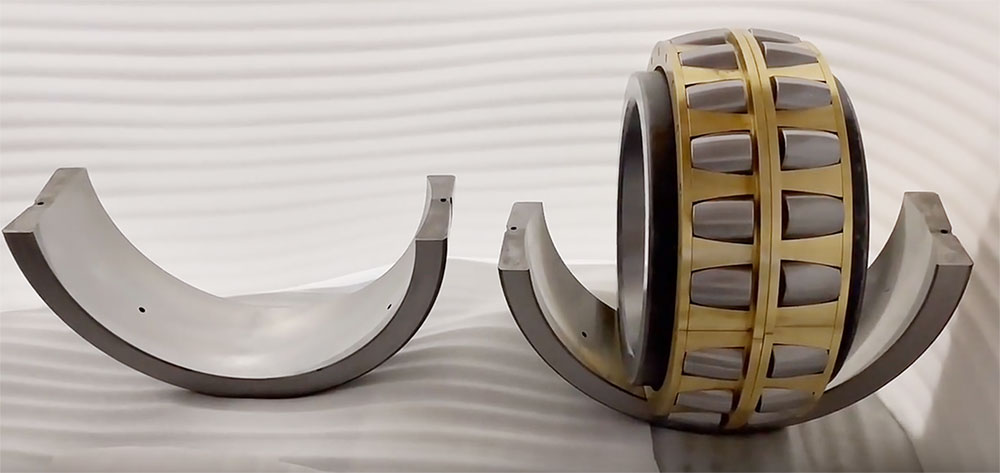
Split spherical roller bearings are a type of rolling-element bearing specifically engineered with a two-piece (split) design. Unlike traditional solid bearings, these innovative components feature a split inner ring, outer ring, and cage assembly, allowing them to be installed and removed without dismantling the entire shaft or associated machinery.
The spherical roller design provides inherent self-aligning capabilities, compensating for shaft misalignment, deflection, and mounting errors – common issues in heavy-duty industrial applications.
Key Advantages of Split Spherical Roller Bearings
Reduced Downtime
The split design eliminates the need to remove adjacent components, couplings, or even the shaft itself during installation or replacement, drastically cutting maintenance time.
Cost Savings
By minimizing disassembly requirements, these bearings reduce labor costs and associated downtime expenses, offering significant long-term savings.
Enhanced Accessibility
Ideal for applications where machinery is large, complex, or difficult to access, such as in paper mills, mining equipment, and large-scale conveyors.
Superior Load Handling
Like their solid counterparts, split spherical roller bearings accommodate heavy radial loads and moderate axial loads in both directions.
Misalignment Compensation
The spherical geometry allows for angular misalignment up to 2-3 degrees, protecting equipment from premature failure.
Applications That Benefit Most
Split spherical roller bearings excel in demanding industrial environments:
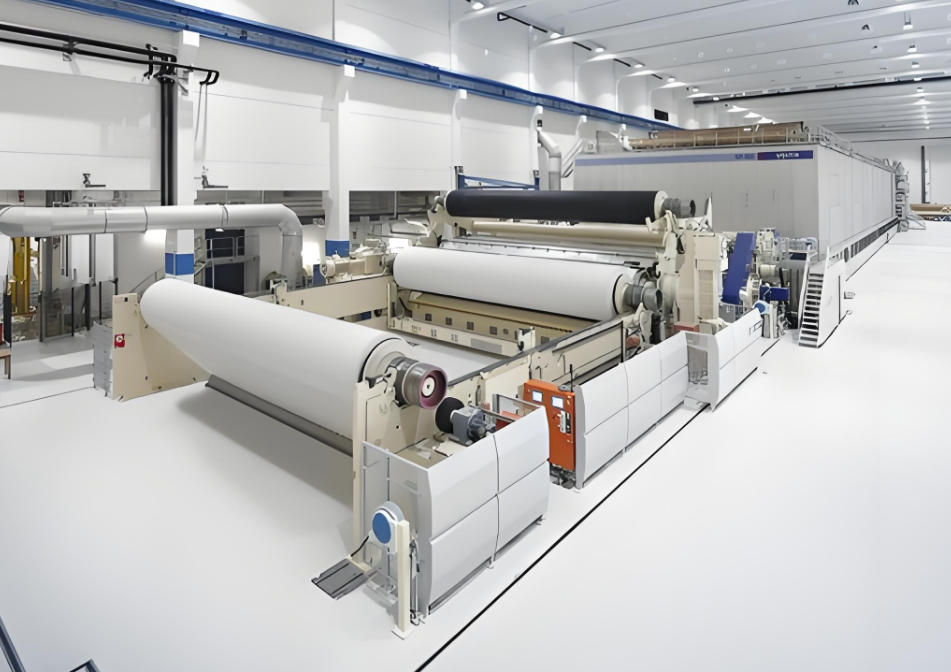
Paper and Pulp Industry
For dryer rolls, calenders, and press sections
Mining and Mineral Processing
In crushers, conveyor systems, and ball mills
Metallurgy
For rolling mills and continuous casting machines
Power Generation
In pumps, fans, and turbine applications
Cement Production
For kilns, mills, and conveyors
Installation and Maintenance Best Practices
While split spherical roller bearings simplify maintenance, proper installation is critical:
-
1
Ensure clean mounting surfaces and components
-
2
Follow manufacturer guidelines for clearance settings
-
3
Use appropriate tools to avoid damage during installation
-
4
Implement regular lubrication according to operating conditions
-
5
Establish condition monitoring to detect early signs of wear
Choosing the Right Split Spherical Roller Bearing
When selecting a split spherical roller bearing, consider:
Load capacity requirements (radial and axial)
Operating temperature range
Speed limitations
Environmental factors (contamination, moisture)
Lubrication compatibility
Shaft and housing specifications
Conclusion
Split spherical roller bearings represent a smart engineering solution for industries where equipment accessibility and maintenance efficiency are paramount. By combining the self-aligning benefits of spherical roller bearings with the convenience of a split design, they offer a compelling alternative to traditional solid bearings in many heavy-duty applications.
As manufacturing processes continue to evolve toward greater efficiency and reduced downtime, the adoption of split spherical roller bearings is likely to grow – proving that sometimes, the most innovative solutions come from reimagining established designs.